


Terms and Conditions
Terms and Conditions
This document sets out the terms and conditions for the use of the website www.inmysoul.eu (hereinafter referred to as the "Website"), operated by Ilab24 Studio SRL, with its registered office in Bucharest, Intrarea Gheorghe Simionescu, No. 19, Ap. B26, Sector 1 (hereinafter referred to as "InMySoul" or the "Provider").
Accessing, browsing, and using the Website implies full and unconditional acceptance of these Terms and Conditions.
1. Definitions
Website - the domain www.inmysoul.eu and all its subdomains
User - any person who accesses the Website
Client - a natural or legal person who places an order
Service - the services offered by InMySoul, including the creation and administration of digital memorial pages associated with QR codes
Account - the secure section of the Website accessible to the Client
2. Scope of Services
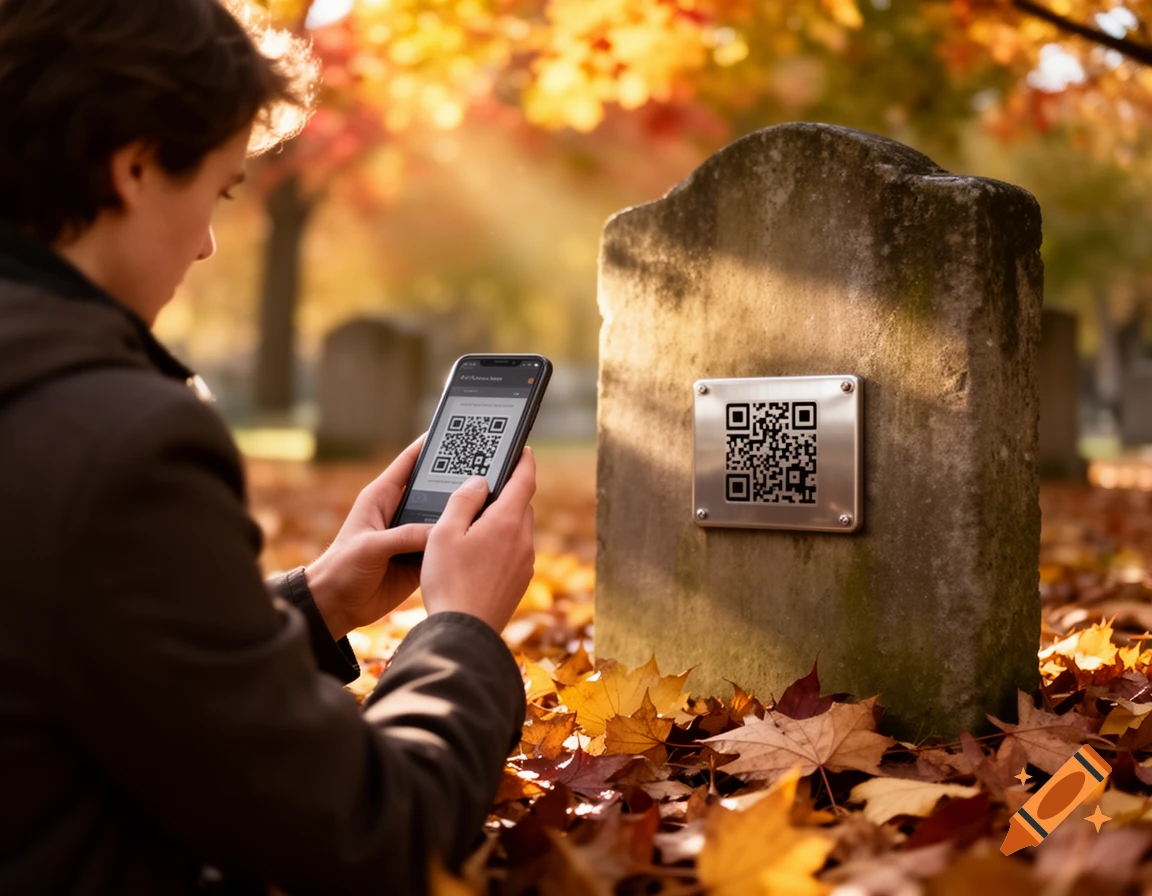
InMySoul provides services for creating digital memorial pages, accessible via a QR code placed on a memorial plaque (such as Memory Square or Memory Heart). The memorial page may contain biographical information, texts, images, photos, video links, quotes, and other materials provided by the Client.
3. Right to Use the Website
Users are entitled to access and use the Website exclusively for personal and lawful purposes. Any use of the Website that may cause harm to InMySoul, other users, or third parties is strictly prohibited.
4. Account Creation
To benefit from certain services, the Client must create an account. The Client is responsible for the accuracy of the information provided and for maintaining the confidentiality of their login credentials.
InMySoul reserves the right to suspend or delete accounts that violate these Terms and Conditions or applicable law.
5. Orders and Payments
Placing an order on the Website implies acceptance of the displayed price and service description. Payment is made via NETOPIA Payments, using the methods available on the Website. All payments are processed in RON (Romanian Lei).
After payment confirmation, the Client will receive access to their Account and the services related to the order.
6. Service Duration and Renewal
The purchase of an InMySoul memorial plaque includes activation of the memorial page for a chosen initial period:
1 year - 59 EUR / 299 RON
5 years - 119 EUR / 599 RON
After the initial period expires, the Client may renew at the following rates:
Renewal for 1 year - 19 EUR / 99 RON
Renewal for 5 years - 79 EUR / 399 RON
Renewal options are available directly from the Client's Account. InMySoul will notify the Client prior to expiration. Failure to renew will result in the memorial page being suspended.
7. Right of Withdrawal and Refunds
The services provided by InMySoul consist of personalised digital content. In accordance with EU consumer law, the right of withdrawal does not apply once the digital service has begun with the Client's explicit consent.
By completing the order and checking the consent box, the Client:
requests the immediate commencement of the digital service;
confirms that they waive the 14-day right of withdrawal once service provision has begun.
Refunds may be granted exclusively if the service has not yet been activated (the memorial page and QR code have not been created), or if a duplicate or erroneous payment was made.
8. Client-Provided Content
The Client is fully responsible for the content published on the memorial page (texts, images, biographical data, quotes, video links). The Client warrants that they hold all necessary rights to the published content and that it does not infringe the rights of third parties or applicable law.
InMySoul reserves the right to remove or restrict content that is illegal, offensive, contrary to public morals, or that infringes the rights of any person.
9. Intellectual Property Rights
All content on the Website (design, texts, graphic elements, logos, source code) is the property of InMySoul or its partners and is protected by copyright and intellectual property law.
Any copying, distribution, or use of such content without the prior written consent of InMySoul is prohibited.
10. Limitation of Liability
InMySoul does not guarantee uninterrupted operation of the Website and shall not be liable for technical errors, temporary unavailability, or data loss beyond its control.
InMySoul is not responsible for the content provided by Clients or for any consequences arising from its use.
11. Personal Data Protection
Personal data is processed in accordance with the Privacy Policy available on the Website and applicable legislation (GDPR – Regulation (EU) 2016/679).
12. Amendments to the Terms and Conditions
InMySoul reserves the right to amend these Terms and Conditions at any time. The updated version will be published on the Website and shall take effect from the date of publication. Continued use of the Website after changes constitutes acceptance of the updated Terms.
13. Governing Law and Jurisdiction
These Terms and Conditions are governed by Romanian law. Any dispute shall be settled by the competent courts of Romania.
14. Contact
For any questions or requests, you may contact us at:
Email: memory@inmysoul.eu
Website: www.inmysoul.eu
